
It's not the food — it's the gut!
These days, it feels like every other food is either being glorified or villainized. We're told to avoid this, eat more of that, and before long, we're tangled in a web of diet rules that often overlook the bigger picture: what works for one person might not work for another — and more often than not, the issue isn't the food itself, but the state of our gut.
Let's clear something up — most foods aren't inherently “bad” or “inflammatory.” If your body reacts negatively to a particular food, it could have more to do with what's going on inside you than what's on your plate. Our digestive systems are as unique as our fingerprints. That means the way you process food, supplements, or even medications can differ dramatically from the next person.
It's no wonder Hippocrates, way back when, said, “All disease begins in the gut.” Modern science is now catching up to this ancient wisdom. And instead of the old saying “You are what you eat,” it might be more accurate to say, “You are what your gut microbes do with what you eat.”
As we age, our gut microbiome — the community of microbes living in our digestive tract — starts to shift, often becoming less diverse. This decline can open the door to various health issues, not just in the gut but throughout the body. These microbes are responsible for breaking down food, producing important nutrients, and keeping inflammation in check. Food restriction for any length of time puts you at risk for vitamin and nutrient deficiencies. So when something feels “off,” it's worth asking whether the problem is really the food — or if it's our gut reacting in an imbalanced state.
Food rules that deserve a second look
Oxalic Acid
Ever heard someone say you should avoid certain foods and leafy greens like spinach or Swiss chard because of oxalates?
These naturally occurring compounds have been blamed for everything
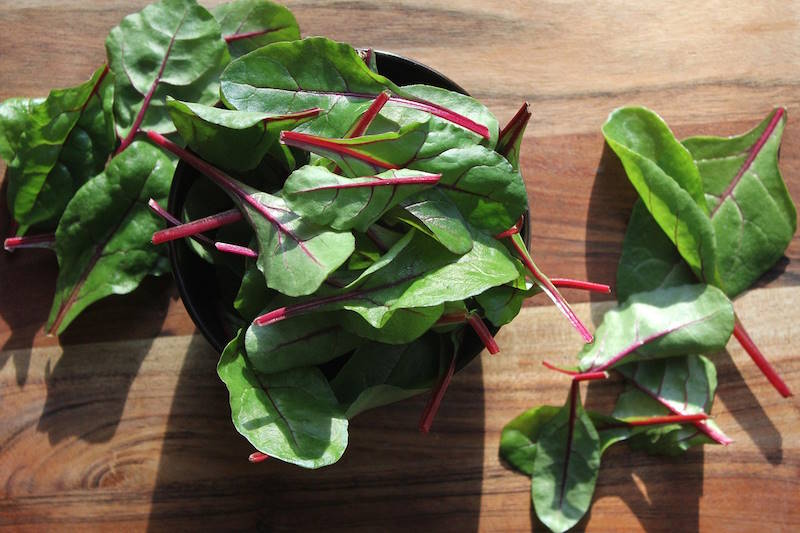 from kidney stones to joint pain. But here's the truth — oxalic acid is found in plenty of healthy foods (nuts, seeds, rhubarb, and beets, to name a few), and unless you're consuming massive amounts, or have a specific medical condition, there's no reason to eliminate them.
Hydration plays a far bigger role in kidney stone formation than oxalates alone. Plus, your gut plays a part too — certain friendly bacteria can break down oxalates before they even make it into your bloodstream. So rather than tossing those greens, enjoy them with a calcium-rich food (like a little cheese or sesame seeds), stay hydrated, and support your gut health.
Nightshades

Tomatoes, potatoes, eggplant, and peppers are part of the nightshade family — and they've gotten a bad rap for potentially triggering inflammation. While it's true that some people with sensitivities or autoimmune conditions might react to these veggies, most people do just fine with them. They're packed with nutrients like vitamin C, vitamin K, fibre, potassium, lycopene, biotin, and a number of antioxidants.
Unless you've noticed clear symptoms like digestive discomfort, joint pain, or fatigue — there's no need to fear nightshades. And if you do suspect they're an issue, it's best to experiment mindfully (and ideally with the help of a practitioner) instead of cutting them out blindly.
Cruciferous Vegetables
Broccoli, kale, cauliflower, cabbage, Brussels sprouts — these nutrient powerhouses are rich in fibre and antioxidants. A number of research studies suggest that a diet rich in cruciferous vegetables may lower rates of a variety of cancers, including breast, pancreatic, bladder, lung, prostate and colon cancer.
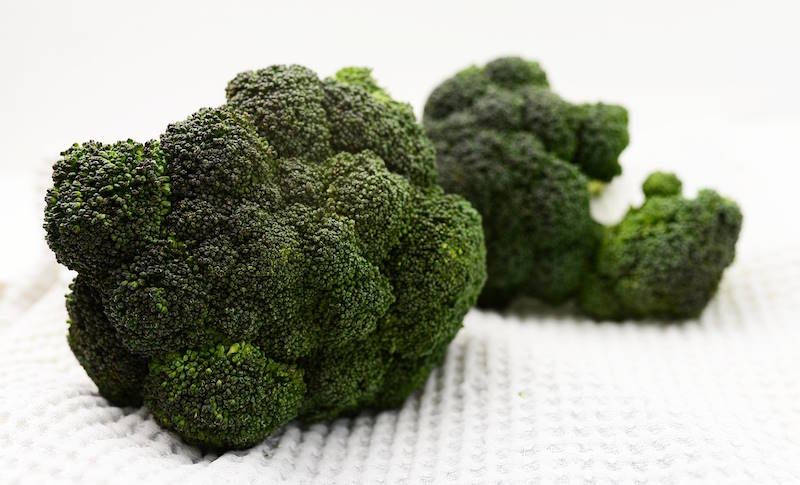 While some people may experience bloating or gas (especially if they're not used to a high-fibre diet), that doesn't mean these veggies are bad for you.
Crucifers may also help to counteract toxins in that are found in charred or cured meats. Even for those with thyroid issues, moderate consumption is generally considered safe. Unless your doctor says otherwise, there's no reason to shy away from these vibrant veggies — just cook them if they feel too harsh raw, and enjoy their many benefits.
Lectins
Lectins are proteins found in many plant foods — especially legumes like lentils, chickpeas, and beans.
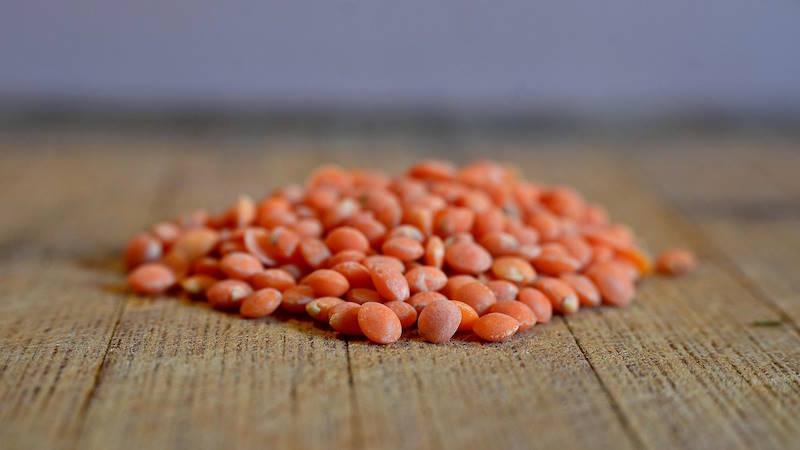 Some worry they're “antinutrients” that interfere with digestion, but here's the thing: most lectins are destroyed by cooking. Lectins are water-soluble and typically found on the outer surface of a food, so soaking and boiling beans, as we've done for centuries, makes them perfectly safe to eat. The WHO recommends that dried legumes be soaked for up to 12 hours and then boiled for several more hours. Tinned beans have already undergone this process.
In fact, legumes are among the healthiest, most affordable foods you can eat. They're loaded with fibre, plant protein, iron, and slow-burning carbohydrates. Lentils have up to 25% protein, and are rich in complex carbohydrates and iron. Unless you're eating large quantities of raw beans (which no one really does), lectins shouldn't be a concern.
Gluten
Gluten has become a scapegoat for everything from fatigue to foggy thinking. And while people with celiac disease or non-celiac gluten sensitivity do need to avoid it, going gluten-free isn't a magic fix for everyone.
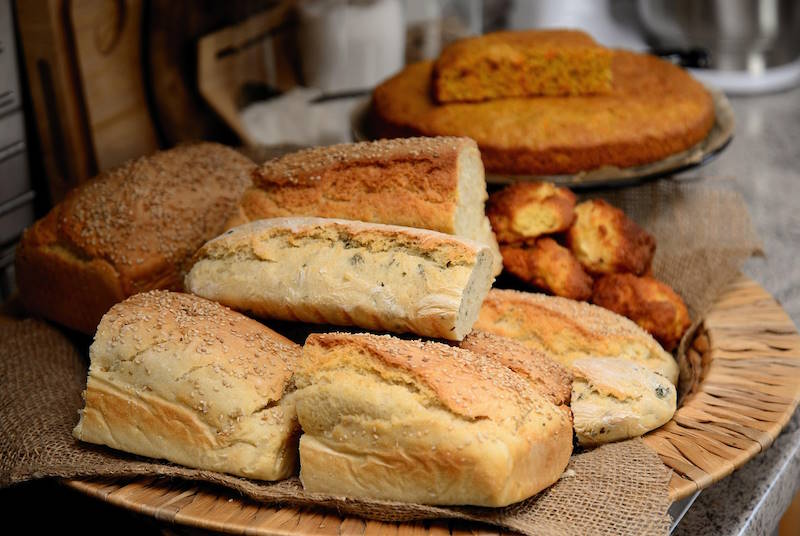
Whole grains that contain gluten, like wheat, spelt, and rye, are rich in fibre and B vitamins that support gut health and feed beneficial bacteria. Often, people who cut gluten end up replacing it with ultra-processed foods that lack the very nutrients their gut needs to thrive. Rice, which is naturally gluten-free can contain minute doses of heavy metals, and diets low in gluten tend to be richer in saturated fats and carbohydrates.
If you feel better avoiding gluten, pay attention to what you're eating instead. A diverse, whole-food diet is far more important than simply going gluten-free.
The bottom line — feed your gut, not the fear
Your gut is incredibly dynamic, and it thrives on diversity. Some studies suggest that restoring microbiome diversity can slow ageing to some extent. When we restrict entire food groups without good reason, we're not just limiting our diets, we're potentially starving the microbes that keep us healthy.
So before you label a food as “bad” or assume it's the root of your health problems, take a step back. Is it the food — or is it your gut's response to it? The goal isn't perfection. It's about tuning into your body, supporting your gut with a balanced, colourful diet, and eliminating or limiting foods that are a problem for YOU. Remember — your health journey is uniquely yours.
References:
- Chai W, Liebman M. Effect of different cooking methods on vegetable oxalate content. J Agric Food Chem. 2005 Apr 20;53(8):3027-30. doi: 10.1021/jf048128d. PMID: 15826055.
- Freed DL. Do dietary lectins cause disease? BMJ. 1999 Apr 17;318(7190):1023-4. doi: 10.1136/bmj.318.7190.1023. PMID: 10205084; PMCID: PMC1115436.
- Gluten Free Diet for the Management of Non Celiac Diseases: The Two Sides of the Coin https://doi.org/10.3390%2Fhealthcare8040400
- Kaufman DW, Kelly JP, Curhan GC, Anderson TE, Dretler SP, Preminger GM, Cave DR. Oxalobacter formigenes may reduce the risk of calcium oxalate kidney stones. J Am Soc Nephrol. 2008 Jun;19(6):1197-203. doi: 10.1681/ASN.2007101058. Epub 2008 Mar 5. PMID: 18322162; PMCID: PMC2396938.
- Kelsay JL, Prather ES. Mineral balances of human subjects consuming spinach in a low-fiber diet and in a diet containing fruits and vegetables. Am J Clin Nutr. 1983 Jul;38(1):12-9. doi: 10.1093/ajcn/38.1.12. PMID: 6305185.
- Long term gluten consumption in adults without celiac disease and risk of coronary heart disease: prospective cohort stud https://doi.org/10.1136/bmj.j1892
- Petroski W, Minich DM. Is There Such a Thing as “Anti-Nutrients”? A Narrative Review of Perceived Problematic Plant Compounds. Nutrients. 2020 Oct;12(10):2929.
- Pusztai A, Grant G. Assessment of lectin inactivation by heat and digestion. Methods Mol ed. 1998;9:505-14. doi: 10.1385/0-89603-396-1:505. PMID: 21374488.
- The gut microbiome influences host diet selection behavior https://doi.org/10.1073/pnas.2117537119