
Supplement Do's and Don'ts
All the supplements say that they are the best, but which ones should you buy? Are you wasting your money on expensive pee? Here is the low-down on what you should look for...
In a world where health-conscious consumers seek to optimize their well-being, the supplement industry continues to expand rapidly. With shelves brimming with a plethora of strange sounding compounds, choosing the right supplements can be overwhelming. I have spent many hours wandering up and down the aisles, reading labels and trying to remember what specific brand I wanted, while trying to choose a high-quality supplement free of “health-washing” hype and “junk” you don't want in your body.
Remember, many companies use marketing tactics by putting words like “wild-crafted” or “organic” on their products without having any certifications to validate their claims. To ensure you make informed choices, consider these key factors before adding any supplement to your regimen.
1. Quality assurance: Prioritize supplements from reputable brands that adhere to rigorous quality standards. Look for certifications such as Good Manufacturing Practices (GMP) or third-party verification from organizations like NPN, NSF International or USP. Many supplements that are really cheap are manufactured in China or India, where manufacturing standards are lax, and there are very little guidelines for pollution and toxicity. If you're not sure where they manufacture the supplement, call the company and ask. They should be very happy to disclose that information.
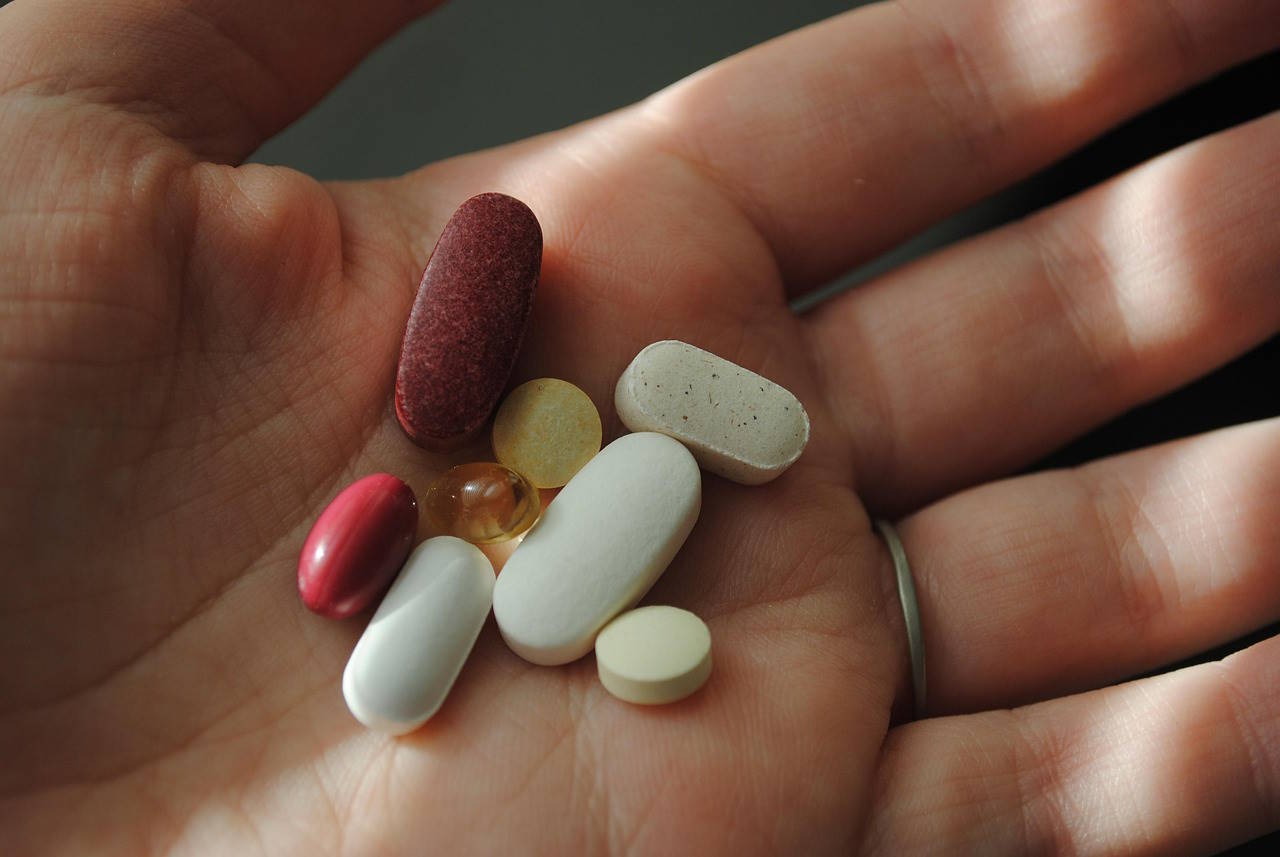
2. Ingredients transparency: Thoroughly examine the ingredient list. Beware of proprietary blends that obscure specific ingredient quantities. Opt for supplements with transparent labeling, indicating the precise amount of each active ingredient.
3. Form and bioavailability: Consider the form of the supplement and its bioavailability — the degree to which the body can absorb and utilize the nutrients. There is substantial scientific evidence that vitamins derived from natural sources are more readily absorbed and assimilated by the human body. Certain forms, such as citrate or chelate, enhance absorption compared to others. Additionally, seek supplements with added absorption enhancers like black pepper extract (piperine) for optimal effectiveness.

4. Nutrient synergy: Acknowledge that nutrients often work synergistically. Choosing supplements that incorporate complementary nutrients can enhance efficacy. For instance, vitamin D is better absorbed in the presence of magnesium and vitamin K.
5. Evidence-based efficacy: Base your choices on scientific evidence rather than marketing hype. Consult reputable sources such as peer-reviewed studies, clinical trials, or recommendations from healthcare professionals to assess the effectiveness of specific supplements for your needs. Good quality supplement companies will have their research posted online. Published clinical trials are proof that they were done and reviewed by other scientists.
6. Allergen and additive considerations: Be mindful of potential allergens and unnecessary additives. Check for common allergens like gluten, soy, or dairy, especially if you have sensitivities. Supplements are a BIG hiding place for gut toxins like sugar, artificial colours, emulsifiers, and contaminants like pesticides and heavy metals. Look for proof that the supplements have been third-party tested for quality and purity.

7. Dosage and safety: Follow recommended dosage guidelines to prevent adverse effects. Dosages should be the same as were used in the studies, that way you will get the same results as were published. Avoid mega-dosing unless advised by a healthcare professional, as excessive intake of certain nutrients can be harmful. Additionally, research potential interactions with medications you're currently taking.
8. Individual needs and goals: Tailor your supplement regimen to your specific nutritional deficiencies, health goals, and lifestyle factors. Consult with a natural healthcare provider to determine personalized recommendations aligned with your unique requirements.
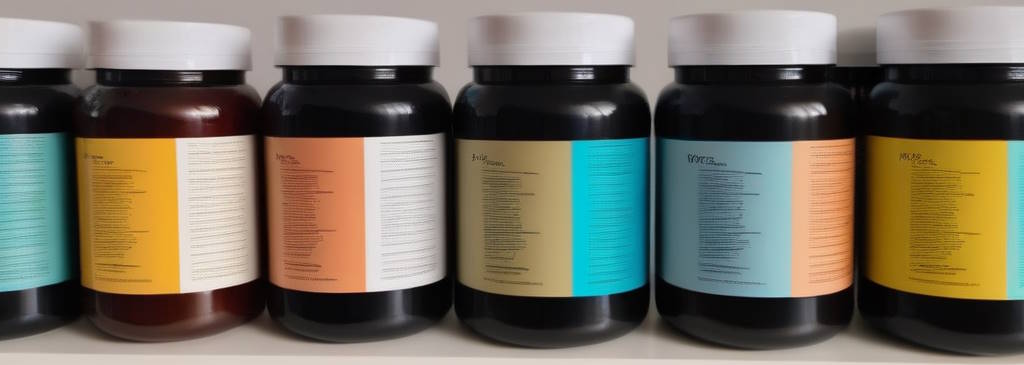
When it comes to selecting supplements, prioritize quality, transparency, and evidence-based efficacy. Look for vitamins and minerals extracted from natural sources, and supplements that come from reputable companies. I always opt for “professional” brands that I can be sure of, even though they are more expensive. By thoroughly evaluating factors such as ingredient quality, bioavailability, and individual needs, you can make informed choices that support your journey toward optimal health and wellness.
References:
- Costa, J., et al. (2019). Contaminants: a dark side of food supplements? Free Radic Res. Retrieved November 16, 2023, from https://pubmed.ncbi.nlm.nih.gov/31500469/
- Colorado State University Extension: “Dietary Supplements: Vitamins and Minerals.”
- Bill C-47: Division 27 - Food and Drugs Act - Natural Health Products. https://www.justice.gc.ca/eng/csj-sjc/pl/charter-charte/c47.html
Supplements that shouldn't be taken together (and why)
| Combo | Why not? | Tip |
|---|---|---|
| Fish Oil & Ginkgo Biloba |
Both have blood-thinning properties, and together, they might increase bleeding risk — especially before surgery or with anticoagulants. | Avoid the combo if you're on blood thinners or prone to bruising. |
| Magnesium & Calcium (High Doses) |
They compete for absorption, so taking them together (especially in high doses) can reduce how much of each your body absorbs. | Take one in the morning and one in the evening if supplementing both. |
| Green Tea Extract & Iron |
Green tea contains tannins and polyphenols that bind iron, especially non-heme iron, preventing proper absorption. | Take green tea extract at least an hour before or after iron. |
| Melatonin & St. John's Wort |
Both affect serotonin and sleep regulation. Taken together, they may interfere with each other's effects and even mood. | Use caution with combo; better to choose one or consult a practitioner. |
| Calcium & Magnesium with some antibiotics |
These minerals can bind with antibiotics (like tetracyclines or fluoroquinolones) and block their absorption. | Space minerals and antibiotics by at least 2 hours. |
Vitamins that shouldn't be taken together (and why)
| Combo | Why not? | Tip |
|---|---|---|
| Calcium & Iron | Calcium competes with iron for absorption in the small intestine, particularly non-heme iron (from plant sources). This means taking them together can reduce how much iron your body actually uses. | Take calcium and iron at least 2 hours apart. |
| Vitamin C & Vitamin B12 |
High doses of Vitamin C may degrade B12 in the digestive tract, reducing its availability — especially in supplement form. | If supplementing both, take them at different meals. |
| Vitamin K & Vitamin E (high doses) |
Large amounts of Vitamin E can interfere with Vitamin K's blood-clotting function, increasing bleeding risk. | Avoid combining high doses unless monitored by a healthcare provider. |
| Zinc & Copper | Zinc, when taken in large amounts, inhibits copper absorption, potentially leading to deficiency over time. | Look for a balanced supplement (e.g., 15 mg zinc with 1-2 mg copper), or stagger them. |
| Folate (B9) & Zinc | High-dose folic acid can impair zinc absorption, though this is more likely with supplements than food sources. | Again, spacing them out is best if taking high doses. |