
Psoriasis: More Than Skin Deep
If you've ever dealt with psoriasis — or know someone who has — you're probably familiar with its frustrating, flaky, and often unpredictable nature. This chronic skin condition isn't just about what's happening on the surface; it's rooted in the immune system, making it a complex puzzle of genetics, triggers, and overall health. The good news? Understanding psoriasis better can help manage symptoms and improve quality of life. Whether you're newly diagnosed or a long-time warrior, let's explore what makes psoriasis tick and how to soothe your skin from the inside out.
For millions around the world — more than 125 million, in fact — psoriasis brings daily discomfort, frustration, and emotional stress. In Canada alone, it's one of the most common chronic skin concerns, and it affects not just the body, but often self-esteem and overall quality of life. Psoriasis speeds up the life cycle of skin cells, causing them to pile up too quickly on the surface. This results in thick, scaly patches of red, inflamed skin that can itch, burn, crack, or even bleed. But beneath the surface, there's a deeper story of immune system confusion, inflammation, and even links to other health conditions like arthritis, heart disease, and depression.
What's going on under the skin?
Normally, skin cells grow and shed over the course of about a month. In people with psoriasis, this process takes just a few days. New cells race to the surface before old ones have had a chance to fall away, causing the telltale buildup of flaky scales and plaques.
If you could peek under the microscope, you'd see a battlefield of sorts — immune cells like T-cells, dendritic cells, and macrophages all misfiring, triggering inflammation and overproduction of skin cells. Cytokines (the “messenger molecules” of the immune system) are on overdrive, adding fuel to the fire. Psoriasis can appear anywhere on the body — elbows, knees, scalp, lower back — and it often affects the nails too, causing discoloration, pitting, or even crumbling.
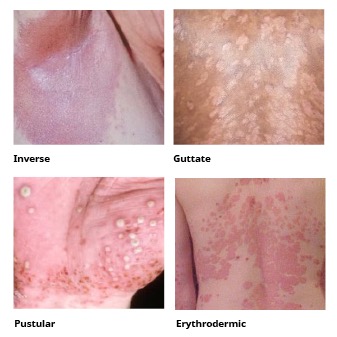
The many faces of psoriasis
Psoriasis isn't one-size-fits-all. There are actually several distinct types:
- Plaque Psoriasis (the most common form): Red, raised patches with silvery-white scales. These often show up on the scalp, elbows, knees, or back.
- Inverse Psoriasis: Smooth, shiny red patches found in skin folds like under the arms, breasts, or buttocks. This type can be particularly uncomfortable due to friction and moisture.
- Guttate Psoriasis: Small, drop-like spots scattered across the arms, legs, and torso. Often triggered by infections, especially strep throat.
- Pustular Psoriasis: Characterized by pus-filled blisters surrounded by red skin—usually appearing on the hands or feet.
- Erythrodermic Psoriasis: A rare but serious form that causes widespread redness, skin shedding, intense itching, and pain. This one can be life-threatening and needs urgent care.
And don't forget the nails — they're often affected too, with visible pitting, ridging, thickening, or separation from the nail bed.
What else comes along with it?
Psoriasis is more than skin deep — it's linked with a number of other health concerns:
- Psoriatic arthritis
- Inflammatory bowel disease
- Depression and anxiety
- Eye inflammation (uveitis)
- Metabolic conditions like insulin resistance, high cholesterol, or non-alcoholic fatty liver disease
What causes psoriasis?
While we don't know the exact cause, scientists believe a mix of genetics, immune system dysfunction, and environmental triggers is at play. Common triggers include:
- Infections (especially strep throat)
- Skin injuries (like cuts or sunburn)
- Cold, dry weather
- Stress
- Smoking and heavy alcohol use
- Certain medications
- Rapid withdrawal from corticosteroids
The gut-skin connection
Here's something fascinating — your gut health might influence your skin more than you think. Your gut is home to trillions of bacteria that help regulate the immune system. When the balance of gut bacteria is off (a condition called dysbiosis), inflammation can rise — and that may worsen psoriasis. “Leaky gut,” or increased intestinal permeability, may also play a role, allowing toxins or food particles to escape into the bloodstream, triggering immune responses that affect the skin.
In fact, people with psoriasis often show lower levels of beneficial bacteria like Faecalibacterium and Akkermansia, which are known to produce short-chain fatty acids (SCFAs) like butyrate — essential for gut barrier integrity and reducing inflammation. Some studies even suggest people with more severe psoriasis tend to have a less diverse gut microbiome overall.
Diet and psoriasis — what to eat (and avoid)
A psoriasis-friendly diet can make a big difference—especially when it supports gut health and lowers inflammation. Here are some of the best foods to add to your plate:
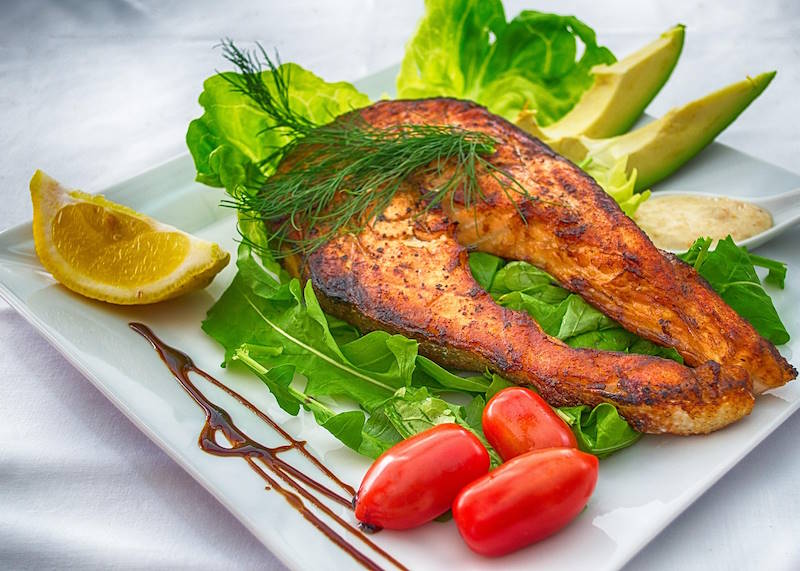
Anti-inflammatory all-stars:
- Wild-caught salmon, sardines, mackerel (rich in omega-3s)
- Extra virgin olive oil and walnuts (source of ALA)
- Bright vegetables and fruits — especially berries, leafy greens, and orange veggies for antioxidants and vitamin A
Gut-boosting probiotics:
- Yogurt and kefir (if dairy-tolerant)
- Fermented vegetables like sauerkraut and kimchi
Fibre-rich choices:
Beans, seeds, fruits, and vegetables to support detoxification and regular digestion
Hydration and detox helpers:
- Bone broth
- Fresh herbs like cilantro
- Plenty of filtered water
Foods to reduce or avoid:
- Sugar and processed foods
- Alcohol
- Red meat and conventional dairy (which may worsen inflammation)
- Omega-6 heavy oils (like corn, soybean, and sunflower oils)
- Gluten (especially if intolerant or celiac)
Try this:
- A Mediterranean-style diet full of real, whole foods
- A 6-week gluten elimination trial if symptoms are stubborn
- Rotating elimination diets based on food sensitivity panels (IgG, IgA)
Final thoughts
While there's no “magic cure” for psoriasis, there is a lot you can do to manage symptoms and improve your quality of life. Supporting your gut health, reducing inflammation through diet, and incorporating gentle natural remedies can go a long way. For many, this holistic approach not only clears skin — but also supports the body from the inside out.
References:
- Chung M, Bartholomew E, Yeroushalmi S, Hakimi M, Bhutani T, Liao W. Dietary Intervention and Supplements in the Management of Psoriasis: Current Perspectives. Psoriasis (Auckl). 2022;12:151-176 https://doi.org/10.2147/PTT.S328581
- DePorto, T. (2023, February 1). The Gut's Role in The Development and Treatment of Psoriasis: A Integrative Medicine Approach. Rupa Health. https://www.rupahealth.com/post/the-guts-role-in-the-development-and-treatment-of-psoriasis-a-integrative-medicine-approach
- Garbicz, Jagoda et al. “Nutritional Therapy in Persons Suffering from Psoriasis.” Nutrients vol. 14,1 119. 28 Dec. 2021, doi:10.3390/nu14010119
- Hoffmann, D. (2003). Medical herbalism: The science and practice of herbal medicine. Rochester, VT: Healing Arts Press.
- Kanda N, Hoashi T, Saeki H. Nutrition and Psoriasis. International Journal of Molecular Sciences. 2020; 21(15):5405. https://doi.org/10.3390/ijms21155405
- Pazyar N, Yaghoobi R. Tea tree oil as a novel antipsoriasis weapon. Skin Pharmacol Physiol. 2012;25(3):162-3. doi: 10.1159/000337936. Epub 2012 Apr 3. PMID: 22473218.
- Psoriasis types: Erythrodermic | National Psoriasis Foundation”. www.psoriasis.org. Retrieved 2019-10-25.
- Zeng L, Yu G, Wu Y, Hao W, Chen H. The Effectiveness and Safety of Probiotic Supplements for Psoriasis: A Systematic Review and Meta-Analysis of Randomized Controlled Trials and Preclinical Trials. J Immunol Res. 2021 Dec 13;2021:7552546. doi: 10.1155/2021/7552546. PMID: 34938815; PMCID: PMC8687811.