My Pantry Rebirth

There's something deeply satisfying about getting organized — especially in the kitchen. I had no idea how much unnecessary “stuff” had piled up in the pantry and fridge until I took everything out and started checking expiry dates and reading ingredient lists. What began as a simple tidy-up turned into a full weekend project and a surprising realization: we were buying way more food than we actually needed!
If your kitchen feels more chaotic than calm, you're not alone — and the good news is, it doesn't have to stay that way. With a bit of time and intention, your pantry and fridge can be transformed into spaces that support how you want to cook, eat, and feel each day. Think of this as a gentle nudge toward a kitchen reset — not a dramatic overhaul, just a thoughtful refresh that brings more ease and inspiration into your routine.
One of the most powerful steps? Letting go of what you don't use. It's much easier to create a system around 30 go-to ingredients than to try wrangling 60 that only show up occasionally. Editing down makes everything smoother — from prep to clean-up.
If your pantry feels like a jumble of bags, boxes, and mystery jars, you're in good company. A few simple upgrades — like using matching containers — can make a big difference. Whether you prefer clear jars for visibility or sleek, opaque ones for a tidy look, consistency creates calm. And labels? A lifesaver. You might think you'll remember which flour is which, but future you will be grateful you took the extra minute to tag everything.
Pantries have a sneaky way of turning into food black holes — where cans and snacks go to disappear. The solution? Pull everything out. Sort it into groups. Give shelves a wipe and evict those long-lost crumbs and rogue noodles. Keep the space food-focused and resist the urge to let it become a catch-all.
And don't forget the spices! They're small but mighty when it comes to clutter. Most herbs and spices lose their potency after six months, so if yours have been lingering for years, it's probably time to say goodbye. Have blends you haven't used? Share them with someone who will.

My husband and I are not completely plant-based (80%) and we still eat some meats, cheeses, kefir, and use eggs (altho' they don't agree with me unless they are in something baked). We stopped using milk and sweeteners in our coffee years ago and drink it black.
We love to entertain and mostly eat home-cooked food. Many of our friends have food allergies or are vegetarian/vegan, so I love to experiment with new recipes or adapt my personal favourites to serve to them.
A plant-powered pantry: your foundation for vibrant meals
A well-stocked pantry is your best ally when it comes to creating delicious, nourishing plant-based meals. Cooking at home is one of the most powerful things you can do for your health — and it doesn't have to be complicated. A fun way to expand your repertoire is to choose one new ingredient each grocery trip, along with a recipe to try it out. It's a gentle, exciting way to experiment without the overwhelm.
• Whole grains: the heart of the meal
Keeping two or three whole grains on hand makes it easy to whip up a satisfying base for any dish. They're packed with complex carbohydrates, fibre, B vitamins, and plant-based protein.
Try something new: teff, millet, or buckwheat.
Pasta: Swap out white pasta for whole wheat, kamut, brown rice, or quinoa pasta. Wild rice pasta is another fun twist.
Rice: Branch out from white rice with brown, red, black, or wild rice. (Wild rice is not technically a type of rice. It is the seed of an aquatic grass.) Mix it up with quinoa, which cooks quickly and pairs well with almost anything.
Oats: Rolled oats, steel-cut oats, or oat groats are pantry heroes — especially for a cozy, sustainable breakfast.
• Legumes: the plant-based powerhouses
Beans, lentils, and peas are staples for a reason — they're protein- and fibre-rich, versatile, and satisfying. Keep both dry and canned on hand.
Canned beans (like chickpeas, black beans, or butter beans) are great when you want to prepare recipes quickly. Just be sure to look for BPA-free cans, as BPA is a chemical you want to avoid in food packaging.
Dry legumes have a longer shelf life (about a year in a cool, dark pantry) and are perfect for batch cooking. If you'll use them up within 6 months, consider keeping them in glass jars on your counter — they're both practical and pretty!
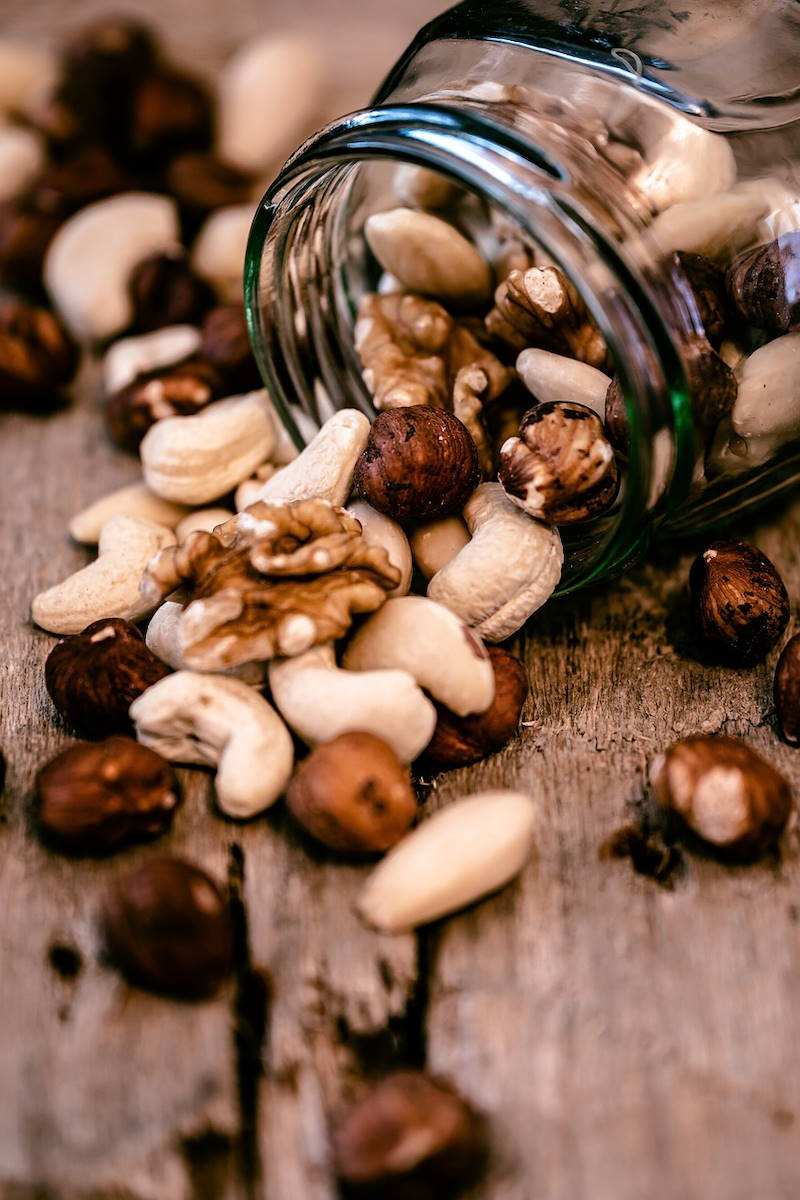
• Nuts and seeds: tiny nutrient powerhouses
Stock two to three types of each — raw nuts and seeds — and rotate them regularly.
Rich in healthy fats, plant protein, fibre, and phytonutrients, they're great for snacking, smoothies, baking, and homemade trail mix.
To keep them fresh: refrigerate if you won't use them within three months, or freeze for up to a year.
• Dried fruits: naturally sweet and full of possibilities
Go for sulfite-free options like naturally sweetened cranberries, dates, or apricots.
Add them to trail mix, porridge, or granola.
Tip: Soak dates and blend into a paste for a natural, whole-food sweetener that's perfect for baking or sauces.
• Sweeteners: choose whole, low-glycemic options
Not all sweeteners are the same so don't listen to health experts who say that honey is the same as white sugar or any other alternative sweetener.
Whole sweeteners are low glycemic: honey - 35, coconut sugar or palm sugar - 35, agave and brown rice syrup - 15, molasses, maple syrup and evaporated cane juice - 54, sucanat - 47. Whole sugars — except for evaporated cane juice which is not whole (it has had some nutrients removed) — all contain vitamins, mineral and phytonutrients.
Date paste is a fantastic swap for many sweeteners in recipes. This can be used as a natural whole food sweetener in exchange for other sweeteners that are called for in recipes, like coconut sugar or maple syrup.

• Spices, seasonings and flavour enhancers
Flavour makes everything better. Keep your spice cabinet fresh, fun, and functional:
Keep a variety of spices, depending on what type of cuisine you love. My favourites are dried oregano, garlic powder, turmeric, cayenne pepper, onion powder, thyme, cinnamon, nutmeg, cloves, allspice, and ginger.
Compost anything over a year old and refresh your collection — fresh spices make all the difference.
Liquid seasonings: coconut aminos (soy-free), non-GMO tamari (gluten-free), and Bragg's Aminos for savoury dishes, and vanilla and almond extracts for baked goods.
Vinegars: apple cider, red wine, sherry, balsamic, and rice vinegar for Asian-inspired dishes.
Other: Nutritional yeast adds a savoury, cheesy note to everything from popcorn to pasta.
• Plant-based milk and creamy staples
Look for unsweetened, unflavored versions when buying.
Coconut milk (light, if possible) is a must-have for Thai and Indian cooking. It's also a great replacement for dairy to make recipes creamy.
Consider making your own nut or seed milk if you're up for a fun kitchen project.
Also, low-sodium broths are great to keep on hand — many store-bought versions are quite salty, so check labels carefully.
• Flours: variety without clutter
It's easy for flours to multiply! Keep what you use most, and store the rest smartly.
Favourites: almond flour (great for subbing part of the flour in recipes), buckwheat flour (dense and earthy), oat flour (a versatile wheat alternative). Oat flour can successfully substitute in any recipe that calls for white or wheat flour.
Label everything clearly, and include expiry dates — even the most organized pantry can get confusing!

• Salt and oils: the building blocks of flavour
Salt: Choose sea salt, Himalayan salt, or unpasteurized miso made from non-GMO soy. Sea vegetables (seaweeds) are a good source of fibre, iodine, potassium, magnesium, calcium, iron, and other minerals, and offer a fantastic range of umami flavours to meals.
Oils for cooking: Choosing the best quality oil is really important. Avocado oil is a monounsaturated fat and it is stable at high heat, high temperatures. Cold-pressed olive oil, high-oleic sunflower oil, grapeseed oil, broth, and rice bran oil are preferred instead of refined corn, soybean, and canola.
Avoid: hydrogenated fats like margarine and shortening. Butter, ghee and coconut oil are good replacements.
• Better-for-you sweets and treats
Choose dried fruits, or simple trail mixes over conventional candy. And don't forget dark chocolate (70% cocoa or higher) — a little square can be a satisfying treat.
Healthier candy options made with evaporated cane juice and no food coloring are available in many health food stores or natural food aisles.
• Soup broths: store-bought or homemade
Look for organic, low-sodium broths — chicken, beef, mushroom, or veggie — or make your own!
* * *
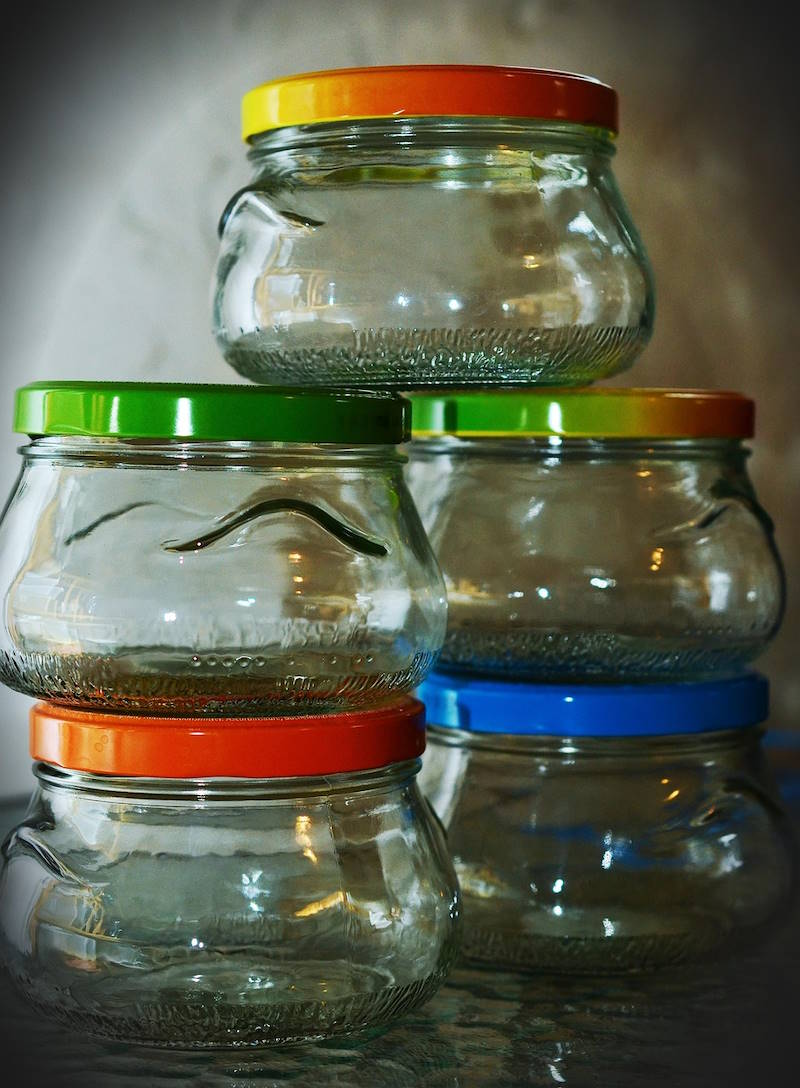
I didn't buy any new food items for the pantry rebirth since we already had way too much food, but I did have to buy some glass containers. Mason jars are now my new best friend. Make sure to label jars with both the ingredient name and expiration date. You will forget, trust me.
I made a note to buy only organic canned products from now on such as beans, pumpkin, tomatoes, etc., and I got rid of a lot of half-empty cracker and cereal boxes. Nuts, seeds, lentils and flours that were still in their original packaging were transferred into glass containers and labeled, along with and baking items such as aluminum-free baking soda, baking power, yeast, and agar agar.
Spices in my kitchen have their own pull-out drawer and those were also checked — amazing how many duplicates I found (combined those that were still viable into one container).
I am always experimenting with new ingredients. GF oats, maca and matcha, dried mushrooms, vegan chocolate and a whole case of dulse leaf can now also be found, especially since I've cleaned up!
Yes, a kitchen reset can seem like a big task. But broken into smaller steps, it becomes not only manageable, but genuinely enjoyable. Little by little, you'll carve out a space that's more efficient, more accessible, and a lot more fun to cook in.