
Reasons to Choose Your Nutrition Wisely
Nourishing the body with foods that promote system-wide balance is a powerful way to extend longevity and maintain vibrant health for years to come.
You've probably heard the saying, “You are what you eat.” But here's the real deal: you're actually what you digest, absorb, and eliminate. That might not sound quite as catchy, but it's a lot closer to the truth.
Our bodies come equipped with incredibly sophisticated digestive systems — far more impressive than anything ever invented. And yet, so many of us live with uncomfortable symptoms like fatigue, brain fog, bloating, gas, cramping, and that all-too-familiar “ugh” feeling after eating. These are signals that something's off. Often, we miss the clues and chalk it up to stress, age, or just “life.” But in reality, a lot of these issues can be traced back to our food choices.
The simple act of changing what you eat can make a massive difference. It's something many doctors still overlook, but a groundbreaking study published in the British Medical Journal found that once people clean up their diet, symptoms that didn't budge with medication begin to ease or disappear altogether, and these healthy habits can give you an extra decade of life.
A good first step

Take a peek into your grocery cart. If it's packed with heavily processed or instant foods, sugary snacks, and high-fat dairy and meats — things like crackers, soda, bacon, cookies, and white rice — it might be time for a change. These kinds of foods don't exactly help your body thrive.
Think of your food as the raw material your body uses to build everything — cells, hormones, brain chemicals, you name it. So it makes sense that what you eat can either support your health, or chip away at it. And while we still don't know the perfect formula for long life and health (because even one food contains a mix of compounds that interact with the body in complex ways), we do know this: people who eat a variety of nutrient-rich foods tend to live healthier, longer lives.
Whole food eating isn't a “diet” in the trendy sense. It just means focusing on real food — fruits, vegetables, legumes, whole grains — things that haven't been heavily altered from their natural state. These foods give us fibre, vitamins, minerals, and plant compounds that support our health in powerful ways. They're also free of the artificial additives, sugar, and trans fats that sneak into processed foods and contribute to things like high blood pressure, heart disease, and diabetes.
Mix it up
It's also about variety. Eating the same thing every day (even if it's healthy) can leave your body missing out on essential nutrients. The goal is to keep your meals colourful, include healthy fats, a moderate amount of protein, and lots of fresh, organic options whenever you can. Skip the hype and trends — listen to your body and eat what genuinely makes you feel good.
You might be surprised to learn that even people who eat plenty of fruits and vegetables can still be deficient in key nutrients. Why? Because today's produce doesn't have the same nutrient punch it did decades ago. Factors like soil depletion and modern farming practices mean our fruits and veggies may not be as nourishing as we'd like to think. And while there's no such thing as a “miracle food,” variety really is the spice of life when it comes to nutrition.
Sometimes deficiencies show up in subtle ways. Have that mid-afternoon crash or that foggy-headed feeling? It could be a sign your body is missing something important — like magnesium, iron, or B vitamins. Skin that seems to age faster than you'd like, might signal low levels of antioxidants or vitamin E. Your immune system may struggle if it's short on zinc or vitamin C. Often, these little nudges are your body's way of asking for more support.
Inflammation is another big piece of the puzzle. Chronic inflammation plays a major role in many health problems — and diet has a direct impact on it. In fact, research suggests that around 60% of chronic diseases could be prevented, simply by eating better. The right foods not only can help stop inflammation from starting, but they can also calm it down if it's already present.
What to aim for
So what should a “healthy” diet look like? Research suggests that getting about 10–15% of your daily calories from protein — mostly from plant-based sources — may support longevity. That doesn't mean you have to go vegan or vegetarian, but it does mean putting more emphasis on plants and much less on heavy animal proteins.
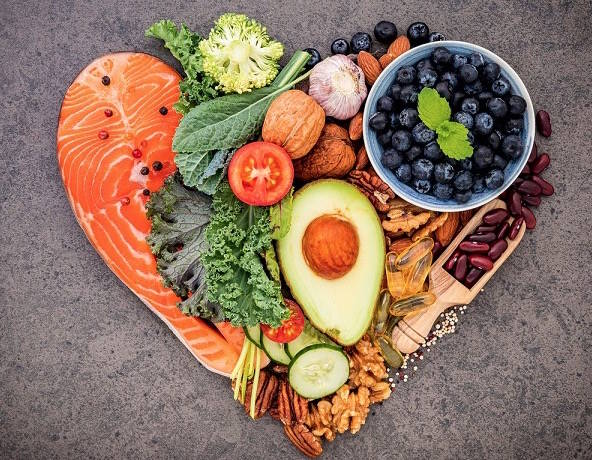 High-protein diets can be useful short-term in some cases, but over time, especially when they rely heavily on red or processed meat, they may contribute to health issues like atherosclerosis — the formation in the arteries of fatty deposits that impede blood flow and lead to heart attacks and strokes.
Fibre plays a quiet but powerful role in keeping our bodies running smoothly. Not only does it help maintain regular digestion, but it also feeds the beneficial bacteria in our gut — those tiny microbes that play a big part in everything from immune function to mood regulation. A diet rich in fibre helps sweep waste out of the body more efficiently and supports a healthy gut lining, which is essential for nutrient absorption and reducing inflammation.
Beyond digestion, fibre also helps with blood sugar balance and keeps cholesterol levels in check. It slows the absorption of sugar, preventing those post-meal spikes and crashes, and helps us feel fuller for longer, which can be a great support for healthy weight management. Whether from fruits, vegetables, legumes, or whole grains, getting enough fibre is one of the simplest, most impactful ways to support long-term health and vitality.
One of the best examples of a balanced, anti-inflammatory way of eating is the Mediterranean diet. It's full of heart-healthy fats like olive oil, vibrant fruits and veggies, whole grains, fish, nuts, and even a little wine and cheese. It's not rigid — it's just deeply nourishing.
Of course, just about everything we eat is processed in some way — washing, chopping, blending, or packaging all count. But ultra-processed foods are in a different league. These are often made from ingredients that don't resemble anything found in nature, and they can wreak havoc on the body. They're engineered to taste good, not to nourish.
As author Michael Pollan wisely put it, “If it came from a plant, eat it. If it was made in a plant, don't.”
A good rule of thumb? Follow the 80/20 approach — aim to eat well 80% of the time, and give yourself space to enjoy the occasional treat or indulgence the other 20%. (Though, full disclosure: I'm still working on hitting 90/10…but pizza happens!)
Cook strategically
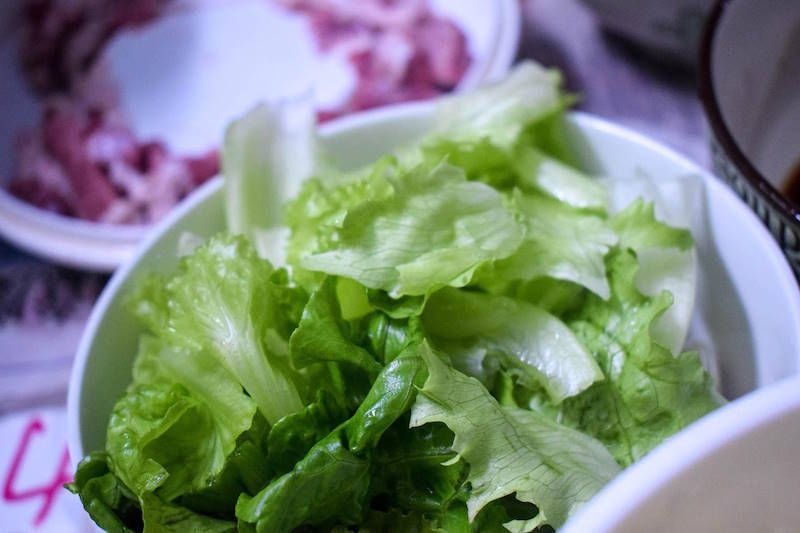
Even how you prepare your food matters. Steaming or sautéing can help retain more nutrients compared to boiling, which often drains out water-soluble vitamins like vitamin C. It's also a good idea to eat a mix of raw and cooked vegetables. Some nutrients (like lycopene in tomatoes) become more available when cooked, while others (like vitamin C) are best preserved raw. A salad alongside a warm veggie dish can give you the best of both worlds.
Whenever possible, try to choose fresh, locally grown produce. The nutrient content of food begins to drop the moment it's harvested, so something picked yesterday at a farmers' market will likely have more goodness in it than something that spent two weeks on a truck. Organic and heirloom varieties also tend to be more nutrient-dense, thanks to healthier soil and less exposure to synthetic pesticides.
Behind all the conflicting messages out there, scientists and health experts overwhelmingly agree on one thing: a diet full of whole, mostly plant-based foods is one of the most effective ways to prevent disease and support long-term health. Whether your meals are oil-free, veggie-heavy, raw, or lightly cooked — it's the quality and variety that matter most.
It's worth noting that inflammation doesn't just affect your joints or digestion — it can also influence your mood, brain function, and the aging process itself. And what causes inflammation in one person might not cause it in another. That's why it's so important to tune into your body, figure out your personal triggers, and make food choices that help you thrive.
Supplements can be helpful at times, but the foundation of a healthy gut — and a healthy body — comes from real, nutrient-dense food. Foods like leafy greens, bright berries, liver, and oily fish can give your body the tools it needs to repair, rebuild, and restore.
Replace foods gradually

If switching to a whole food lifestyle feels daunting, take it one step at a time. Start by swapping out one processed item for a whole food alternative. Build from there. The goal isn't perfection — it's progress.
And finally, why go organic if the nutrients are similar to non-organic? The real reasons lie in the reduced pesticide exposure, fewer additives, and the positive impact on the planet. Choosing organic supports a healthier food system overall.
At the end of the day, food is our most powerful medicine. Nourishing your body with whole, vibrant foods not only helps prevent disease but also gives your body the support it needs to heal and thrive. You really can eat your way to a healthier, more energetic version of yourself — one delicious bite at a time.
References:
- Clemente-Suárez VJ, Beltrán-Velasco AI, Redondo-Flórez L, Martín-Rodríguez A, Tornero-Aguilera JF. Global Impacts of Western Diet and Its Effects on Metabolism and Health: A Narrative Review. Nutrients. 2023 Jun 14;15(12):2749. doi: 10.3390/nu15122749. PMID: 37375654; PMCID: PMC10302286.
- Domosławska-Żylińska K, Łopatek M, Krysińska-Pisarek M, Sugay L. Barriers to Adherence to Healthy Diet and Recommended Physical Activity Perceived by the Polish Population. J Clin Med. 2023 Dec 19;13(1):22. doi: 10.3390/jcm13010022. PMID: 38202029; PMCID: PMC10779332.
- Givens DI. Review: Dairy foods, red meat and processed meat in the diet: implications for health at key life stages. Animal. 2018 Aug;12(8):1709-1721. doi: 10.1017/S1751731118000642. Epub 2018 Apr 2. PMID: 29606182.
- Li Y, Schoufour J, Wang D D, Dhana K, Pan A, Liu X et al. Healthy lifestyle and life expectancy free of cancer, cardiovascular disease, and type 2 diabetes: prospective cohort study BMJ 2020; 368 :l6669 doi:10.1136/bmj.l6669
- Schwingshackl L, Morze J, Hoffmann G. Mediterranean diet and health status: Active ingredients and pharmacological mechanisms. Br J Pharmacol. 2020 Mar;177(6):1241-1257. doi: 10.1111/bph.14778. Epub 2019 Jul 25. PMID: 31243760; PMCID: PMC7056467.