
Is Garlic Nature's Antibiotic?
Garlic has been used both as a food and a medicine throughout the centuries. No matter how it's used, garlic is definitely bemeficial to your health. Sumerians (2600-2100 BC) were thought to have used garlic's healing properties, and ancient medical texts from Mesopotamia mention garlic among various plants used for medicinal purposes.
My Aunt had tuberculosis when she was in her teens, and I recall her telling me that she had inhaled the vapours from garlic oil as part of her treatment. I also remember my grandmother giving me a concoction of garlic, honey and turmeric whenever I had a cold. She called it “Russian penicillin”. And who can forget the iconic slogan of the 1980s Bickley's Syrup commercial — “It tastes awful. And it works!” Well, Bickley's didn't contain garlic, but Grandma's mixture did tast awful, however, it boosted my immune system, and stopped the cold virus in its tracks.
Garlic has some seriously impressive antimicrobial properties, thanks mainly to allicin, its active sulfur compound. When garlic is crushed or chopped, an enzyme called alliinase converts alliin (a stable compound) into allicin, the plant's defense mechanism, which has strong antibacterial, antiviral, antifungal, and even antiparasitic effects. Garlic also contains high levels of manganese, calcium, phosphorus, selenium, vitamin B6, and vitamin C.
Antimicrobial superpowers
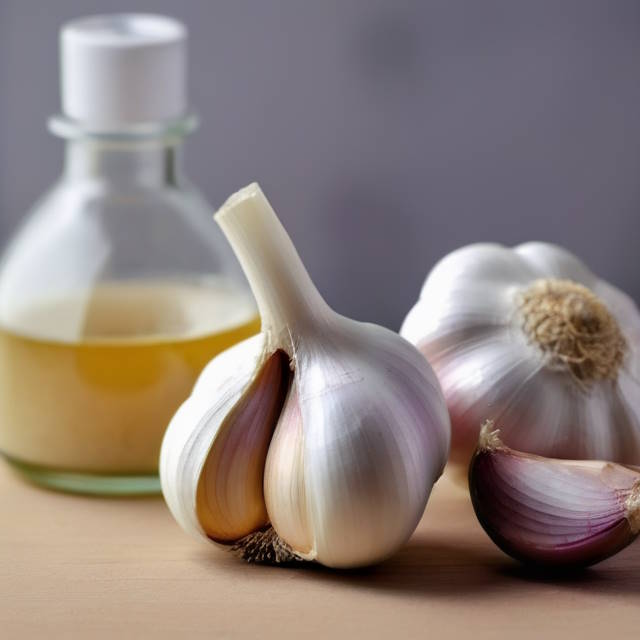
Garlic acts as both a prebiotic and an antimicrobial, which is a rare and powerful combo! It selectively inhibits harmful bacteria without wiping out the good ones — a major advantage over synthetic antibiotics. It is effective against a broad range of bacteria, including Staphylococcus aureus (even MRSA!), E. coli, Salmonella, and Helicobacter pylori (linked to stomach ulcers). It works by disrupting bacterial membranes, inhibiting protein and DNA synthesis.
Studies have shown it to have antiviral effects against influenza, rhinovirus (common cold), and even herpes simplex. It's effective against Candida albicans (a major cause of yeast infections), Aspergillus, and other fungal pathogens, as garlic damages fungal cell walls and inhibits their growth. Even parasites aren't safe! Garlic fights intestinal worms as well as Giardia and Plasmodium (malaria-causing parasites).
Best ways to use garlic for antimicrobial benefits
- Crush it and wait. Let chopped garlic sit for 10-15 minutes before consuming to maximize allicin formation.
- Eat it raw (if you can handle it!) — adding it to honey or lemon water can help with colds.
- Infuse cloves in oil (but don't store them at room temp — risk of botulism). Garlic oil is great for topical applications (like fungal infections) but has lower allicin levels.
- Use garlic extracts if raw is too harsh.
Balancing the microbiome
- Prebiotic Power: Garlic contains fructooligosaccharides (FOS), which feed beneficial gut bacteria like Lactobacillus and Bifidobacteria, helping them thrive.
- Microbial Balance: It selectively inhibits harmful bacteria (H. pylori, Clostridium difficile, Salmonella) without wiping out the good ones — a major advantage over synthetic antibiotics.
- Biofilm Disruptor: Garlic can break down bacterial biofilms (protective layers harmful bacteria use to survive), making infections like SIBO (Small Intestinal Bacterial Overgrowth) easier to treat.
- Candida Fighter: Since garlic has antifungal properties, it helps control yeast overgrowth (Candida albicans), which can disrupt gut flora balance.
Fresh vs. aged garlic
Raw, fresh crushed garlic has the highest allicin content. Even though aged garlic extract (found in supplements) loses allicin, it still has potent antimicrobial and immune-boosting compounds (like S-allyl cysteine). Substantial experimental evidence shows the ability of aged garlic extract to protect against oxidant-induced disease, acute damage from aging, radiation and chemical exposure, and long-term toxic damage.
Garlic and longevity
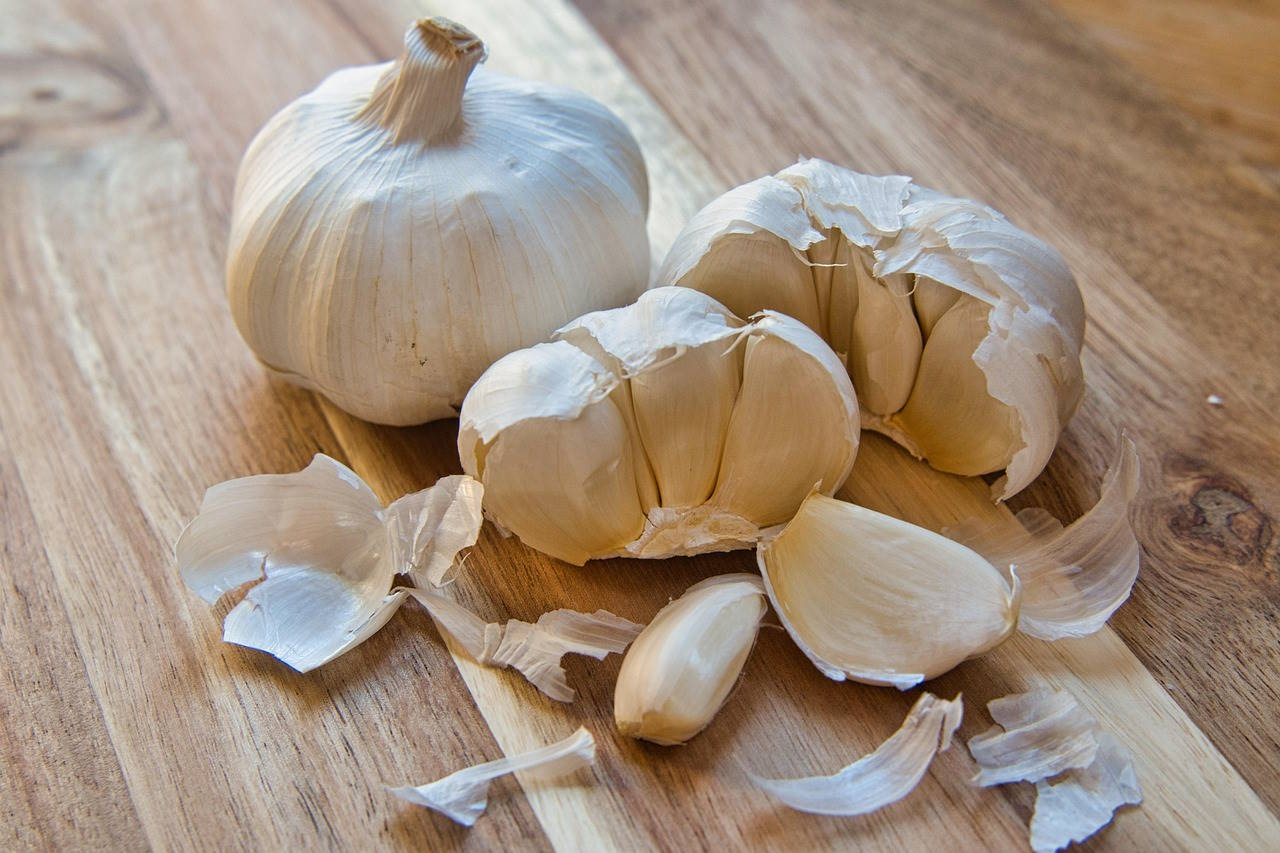
Garlic supports longevity by reducing chronic inflammation, oxidative stress, and cardiovascular risks (lowers the risk of heart disease and stroke) — all key factors in aging. It acts to help the body increases glutathione, the body's master antioxidant, protecting cells from damage, and lowering blood pressure, reducing LDL oxidation (the main cause of hardening in the blood vessels), and improving circulation.
Allicin and other sulfur compounds lower TNF-α and IL-6, which are linked to aging-related inflammation (“inflammaging”). Garlic contains S-allyl cysteine, which may stimulate AMPK (a longevity-promoting enzyme) and help with autophagy (cellular cleanup), activating longevity pathways.
Using garlic for maximum benefits
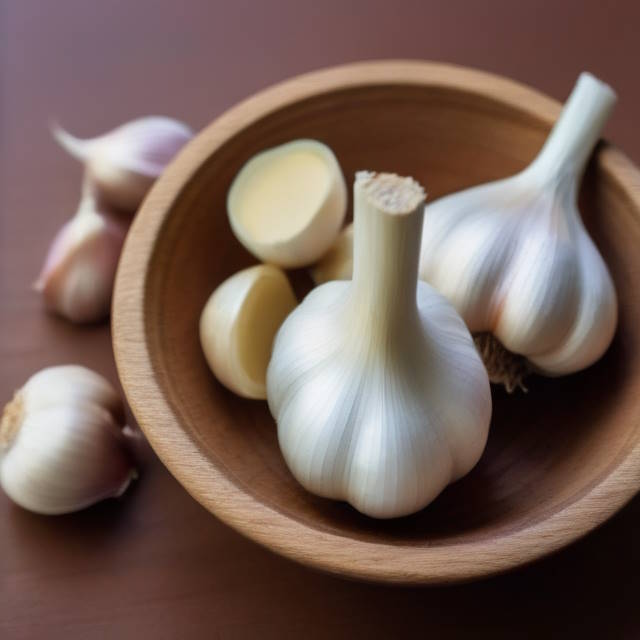
What's best for gut health and longevity — raw, cooked, or fermented? Raw garlic, especially when fermented, appears to be the most beneficial for gut health and may contribute to overall longevity, however some individuals may find cooked garlic easier to digest.
Fermented garlic has a higher sodium content than fresh garlic, as salt is involved in the fermentation process, so that may be an issue in salt-restricted diets. However, fermentation will also enhance the probiotic content, further supporting gut health, so the verdict is out on whether fermentation is preferable.
Higher temperatures — above 140 degrees Fahrenheit (60 degrees Celsius) — can change garlic's pH balance and also destroy the allicin, so add garlic to your recipes when you're almost done cooking.
Cautions
Garlic and honey can cause allergic reactions in some people. Taking garlic supplements or eating garlic in larger doses can thin your blood and increase the risk of bleeding. For this reason, garlic can cause a negative interaction with medications that thin your blood. If you're allergic to bee pollen, ask your doctor if eating honey is safe for you.Both raw honey and garlic carry the risk of botulism, a rare but serious illness that attacks your body's nervous system, and honey isn't safe for children under the age of one. Consuming honey may increase blood sugar levels in people with diabetes. Honey is not known to interact with other drugs, but it can cause allergic reactions in some people.
My Polish grandmother's honey-garlic cold remedy may help blow out your sinuses a bit, and it will definitely make a difference.
Garlic, honey, lemon, and turmeric syrup
- 2 cloves of garlic (pressed through a garlic press)
- juice of two large lemons
- 6 tablespoons of honey (look for pure, local honey that is free of pesticides)
- 2 tablespoons of turmeric
- 2 cups of boiled, warm water
Preparation:
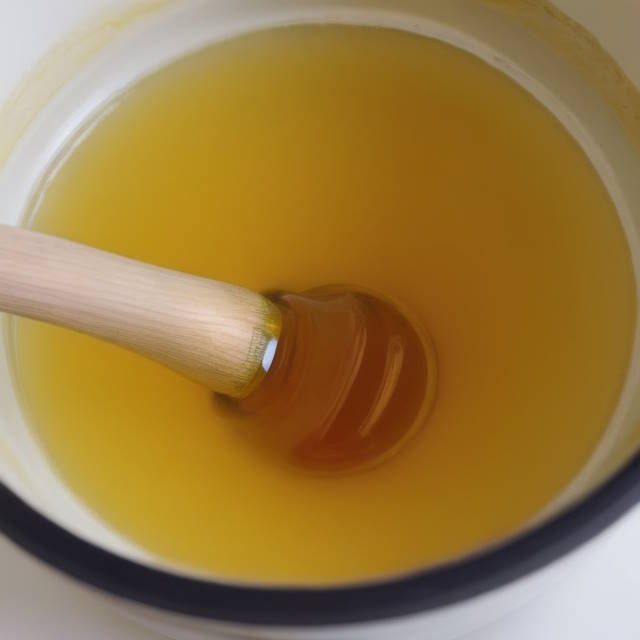
Combine all ingredients and blend until smooth, then pour into a large jar, seal and set aside in a cool, dark place for 48 hours. After that time, strain the syrup through cheesecloth or a thick sieve, and pour into a bottle or jar. Store in the refrigerator. Take one or two tablespoons twice daily.
The beauty of garlic is its versatility, so whether you're looking to add flavour to your dish, or wanting to fight off a cold, you can always rely on garlic. Make garlic a staple in your diet — your body will thank you.
References:
- Bayan L, Koulivand PH, Gorji A. Garlic: a review of potential therapeutic effects. Avicenna J Phytomed. 2014 Jan;4(1):1-14.
- Borek C. Antioxidant health effects of aged garlic extracts. J Nutr. 2001;131:1010–5. doi: 10.1093/jn/131.3.1010S.
- Petrovska BB, Cekovska S. Extracts from the history and medical properties of garlic. Pharmacogn Rev. 2010 Jan;4(7):106-10. doi: 10.4103/0973-7847.65321.
- Wüllner D, Haupt A, Prochnow P, Leontiev R, Slusarenko AJ, Bandow JE. Interspecies Comparison of the Bacterial Response to Allicin Reveals Species-Specific Defense Strategies Proteomics. 2019 Dec;19(24):e1900064. doi: 10.1002/pmic.201900064. Epub 2019 Nov 12.