
Life is just a bowl of berries
Blueberries have a pretty amazing secret — they're not just tasty little treats, they're brain food in the truest sense. In some eye-opening animal studies, researchers found that adding blueberries to the diet of rats led to big improvements in memory and learning.
One scientist from Tufts University even called them the “brain berry” — and it stuck. What made the findings especially exciting was that blueberries didn't just give the brain a temporary boost.
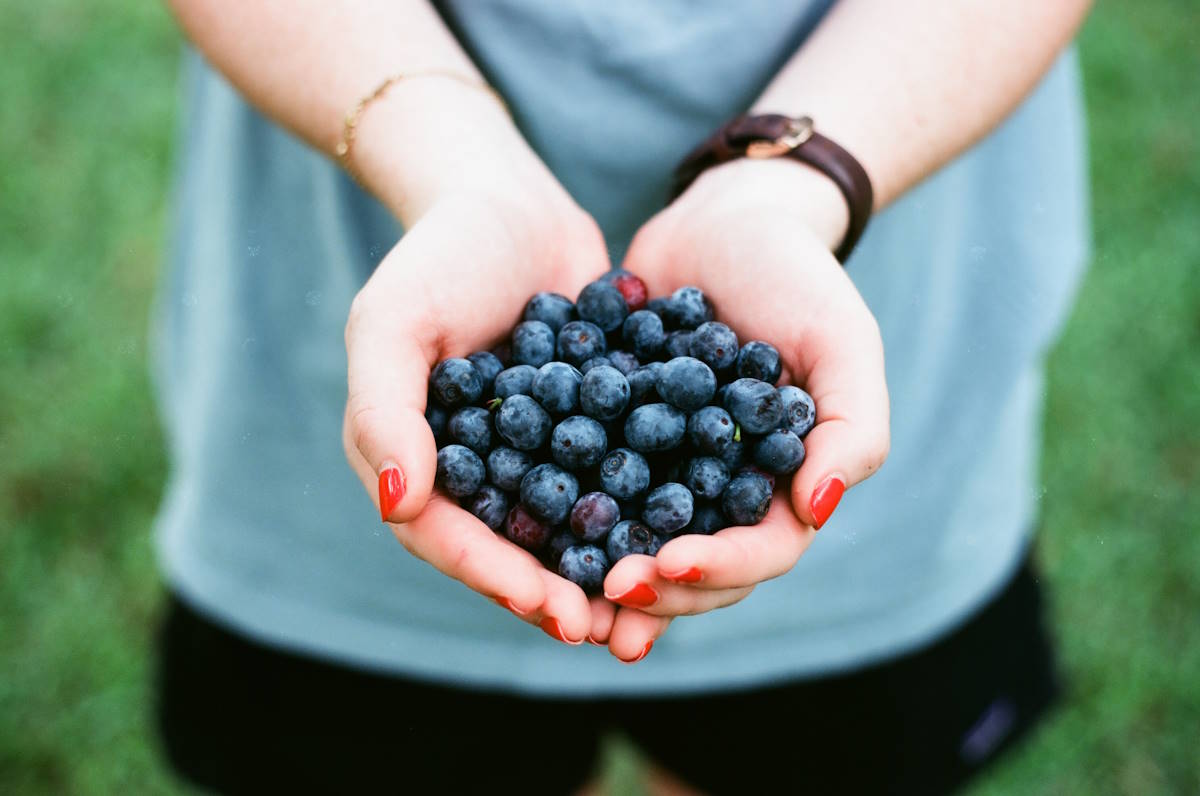 They actually helped reshape it, making it more “plastic” — which means the brain became better at forming new connections and adapting. The researchers went so far as to say blueberries might even help reverse some signs of brain aging. For humans, the amount used in the study translates to about half a cup a day. I like to go for the smaller, organically grown ones — the kind that had to “tough it out” a little in the wild. They tend to pack more punch when it comes to nutrients.
Berries as a whole are kind of miraculous. Their rich colors — those deep purples, blues, and nearly-black shades — are a big clue to just how good they are for you. Those hues come from powerful antioxidants, especially a group called anthocyanins, along with other health-loving compounds like malvidin and dimethyl resveratrol. These natural pigments aren't just pretty — they help fight off free radicals, the unstable molecules that contribute to aging and illness. Antioxidants are like your body's cleanup crew, sweeping away damage and keeping things running smoothly.
What's more, berries bring a lot to the table in the mineral department.
You'll find iron, magnesium, calcium, selenium, zinc, potassium, chromium, molybdenum —
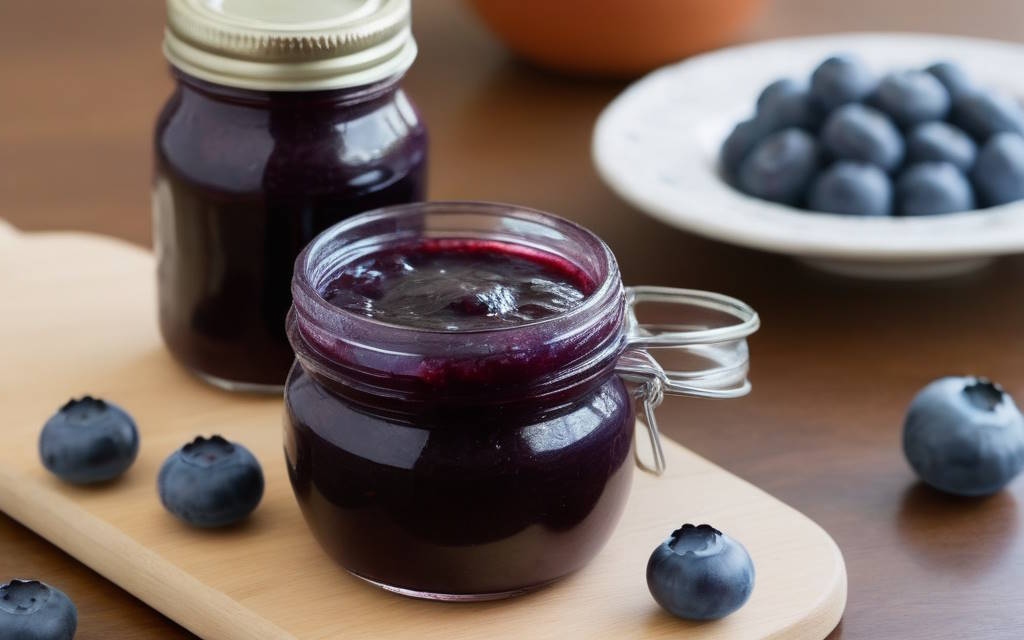 and even small amounts of omega-3, -6, and -9 fatty acids.
Plus, they've got some mysterious compounds that seem to calm the effects of too much adrenaline, protecting your organs when life gets hectic. Whether it's blackberries, raspberries, strawberries, elderberries, or schisandra berries, they all come with serious benefits. And wild berries? Even better. They've had to survive in tougher conditions, which tends to make them extra potent when it comes to nutrients and plant medicine.
and even small amounts of omega-3, -6, and -9 fatty acids.
Plus, they've got some mysterious compounds that seem to calm the effects of too much adrenaline, protecting your organs when life gets hectic. Whether it's blackberries, raspberries, strawberries, elderberries, or schisandra berries, they all come with serious benefits. And wild berries? Even better. They've had to survive in tougher conditions, which tends to make them extra potent when it comes to nutrients and plant medicine.
If you can, stock up on frozen wild blueberries. They're easy to keep on hand, and often more nutritious than the big, juicy cultivated ones in the clamshells. I like to make a habit of swinging by the freezer section after I'm done in the produce aisle — bags of wild blueberries are usually waiting right there, ready to go home with you.
Go blue for brain power
And here's something especially cool: berries are one of the best foods for your brain. They help support B12 absorption and may even help clear away things like brain fog, heavy metals, scar tissue, and other “junk” that builds up over time. For conditions that affect the brain — like Alzheimer's, Parkinson's, migraines, stroke, or just everyday forgetfulness — berries are an easy, delicious form of support. And let's not forget the heart! Berries are amazing at protecting the heart's valves and blood vessels, even helping dissolve the hardened fats that contribute to plaque buildup. Honestly, berries are like your body's best little helpers — tiny, tasty, and totally up to the task of keeping you feeling your best.
When it comes to older adults, research suggests that regular blueberry consumption may help slow cognitive decline and improve memory. A 2012 study from the Annals of Neurology followed 16,000 older adults for over 20 years and found that those who consumed blueberries and strawberries regularly had slower cognitive decline — by up to 2.5 years compared to those who didn't.
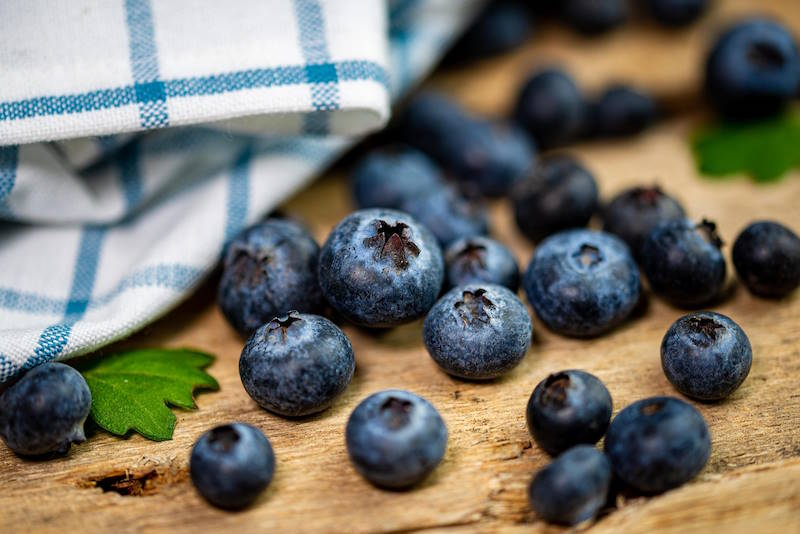
Another randomized controlled trial (RCT) published in The Journals of Gerontology in 2021 showed that older adults with mild cognitive impairment (MCI) who consumed freeze-dried blueberry powder (equivalent to one cup of fresh blueberries per day) for 12 weeks had significant improvements in memory and executive function compared to the placebo group.
Research also suggests that blueberry consumption may reduce tau protein tangles, another factor in Alzheimer's progression.
Key compounds in blueberries beneficial for the brain
- Anthocyanins - These are powerful antioxidants that give blueberries their deep color. They help reduce inflammation and combat oxidative stress, both of which are linked to brain aging and neurodegenerative diseases.
- Flavonoids - Known for their neuroprotective effects, flavonoids in blueberries are associated with enhanced neuronal signaling in the brain, which may improve learning and memory.
- Polyphenols - These plant compounds may help increase blood flow to the brain and promote neurogenesis (the growth of new neurons).
- Vitamin C and K, fiber, and manganese - These contribute to overall health, including better circulation and reduced inflammation, which are beneficial for brain function.
How to incorporate more blueberries for brain health
- Daily snack - A handful of fresh or frozen blueberries
- Smoothies - Blend with other nutrient-dense foods like walnuts, flaxseeds, and Greek yogurt
- Oatmeal or yogurt topping - Add to your breakfast for an easy nutrient boost
- Blueberry Powder or Extract - If fresh ones aren't available, a high-quality extract or freeze-dried powder can offer similar benefits
How to optimize blueberry benefits
To maximize cognitive and longevity benefits, combine blueberries with other brain-boosting foods:
- Avocados - Healthy fats for brain function
- Walnuts - Omega-3s for neuronal support
- Green Tea - EGCG antioxidants to protect brain cells
- Fatty Fish (Salmon, Sardines) - DHA for cognitive health